About
Access the Free Social-Emotional Learning Resource Library Now:

Comprehensive Social-Emotional Learning Resources
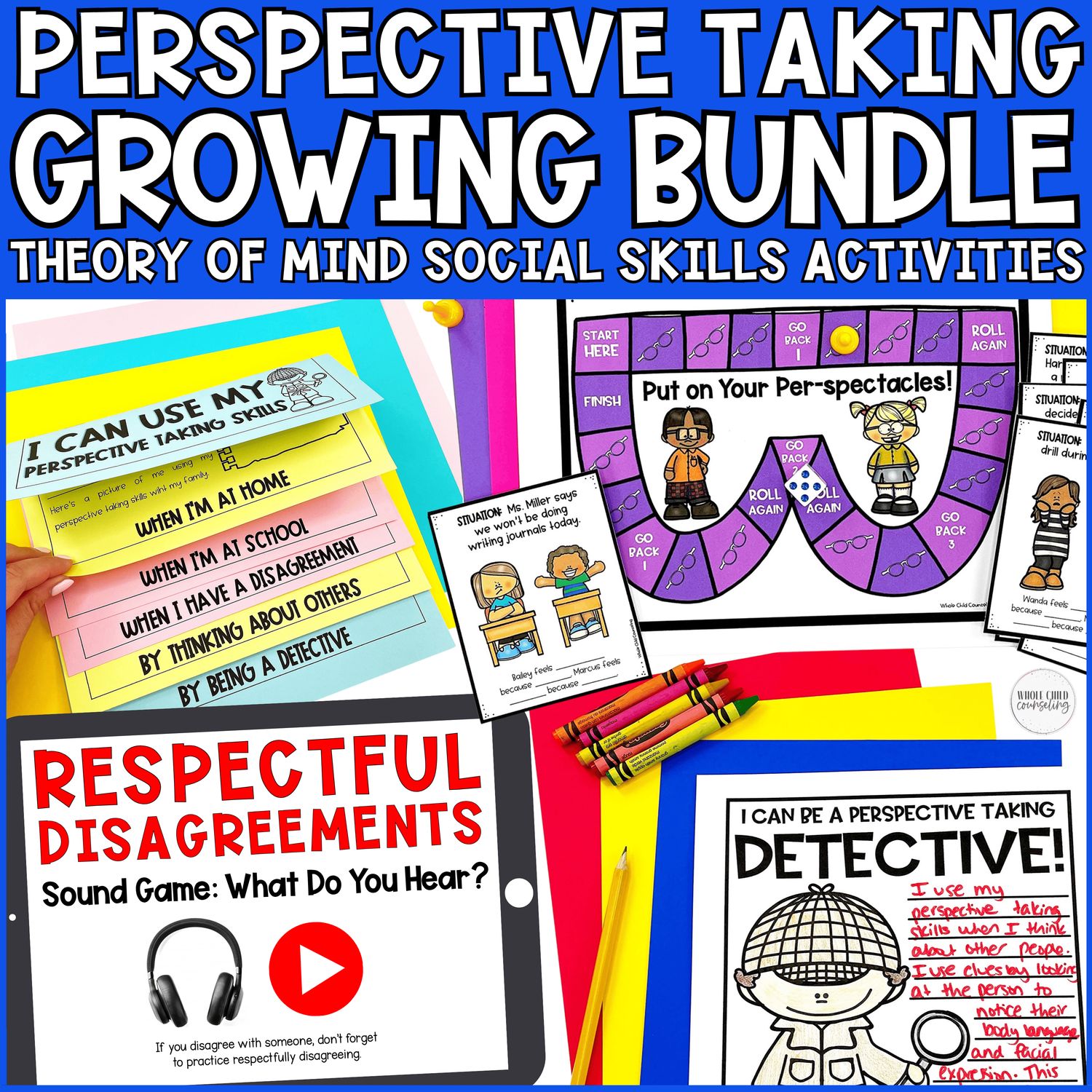
Teach perspective-taking, theory of mind, empathy, flexible thinking, and pragmatic language with this growing bundle of 9 digital and printable social skills resources for elementary and middle school students.
Use interactive sound games, visual puzzles, photographs, social stories, board games, worksheets, and reading and writing activities to practice considering different viewpoints, communicating respectfully, and solving social problems together.
This is a growing bundle. Purchase at the current price to receive future resources added to this bundle at no extra cost. The price increases as resources are added.
📦 What's Included:
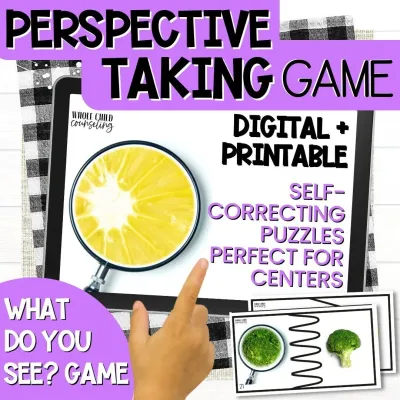
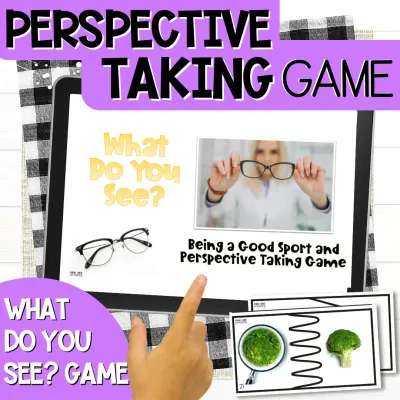
- What Do You See? Perspective Taking Puzzles
30 Zoomed-in images, differentiated printable cards including a picture-only self-correcting option, and a Google Slides game for inference, flexible thinking, and respectful disagreement
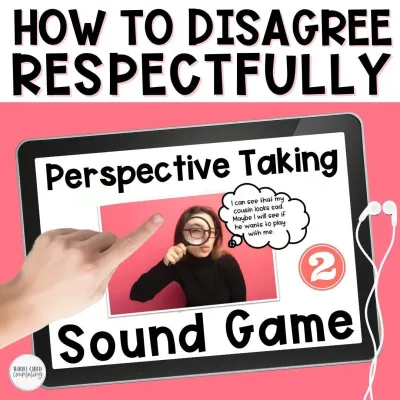
- Respectful Disagreements Sound Game #1
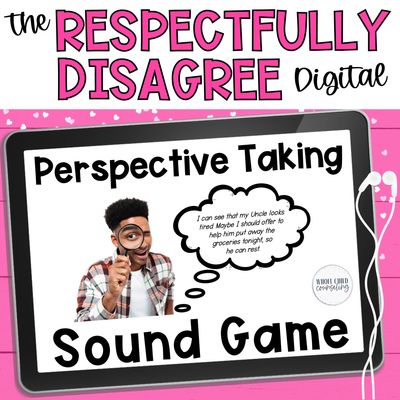
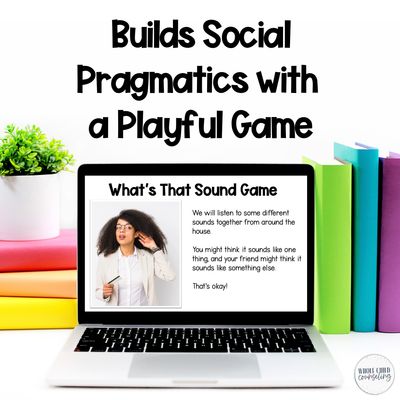
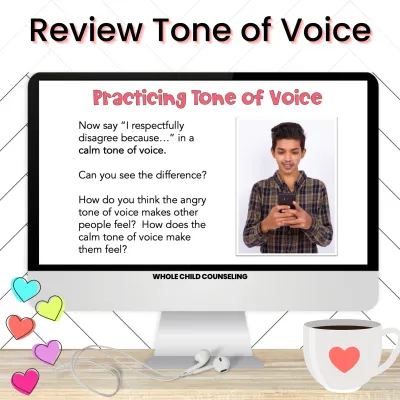
37 Sound clips with pre-teaching for perspective-taking, respectful disagreement, listening, tone of voice, and good sportsmanship
- Respectful Disagreements Sound Game #2
31 Sound clips for additional practice listening, considering different interpretations, and disagreeing respectfully
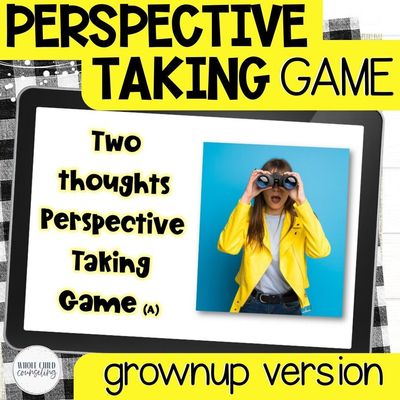
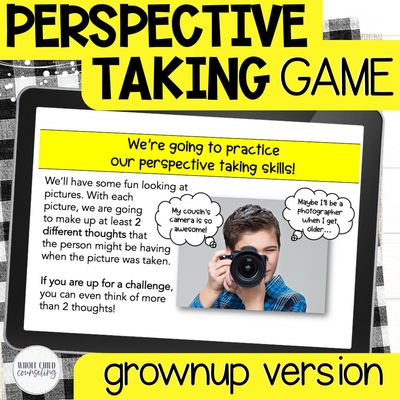
- Two Thoughts: Grownup Version
36 Photos of teens and adults in Google Slides and printable card formats; identify a possible feeling and at least two possible thoughts
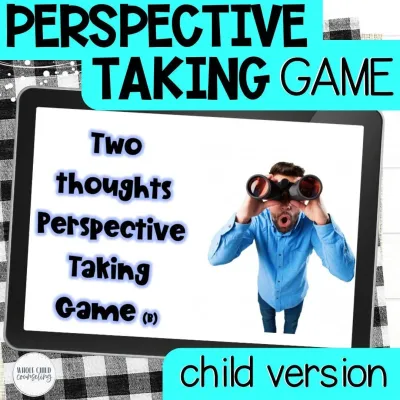
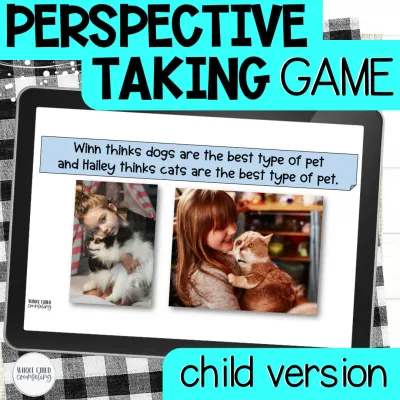
- Two Thoughts: Child Version
36 Photos in Google Slides and printable card formats for exploring children’s possible thoughts, feelings, body language, and facial expressions
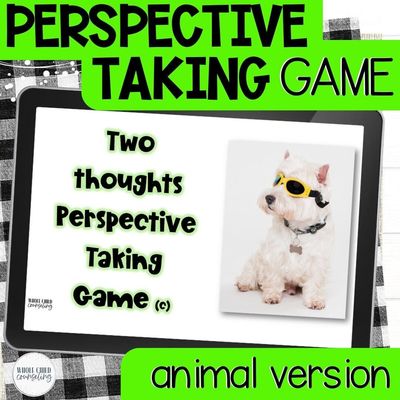
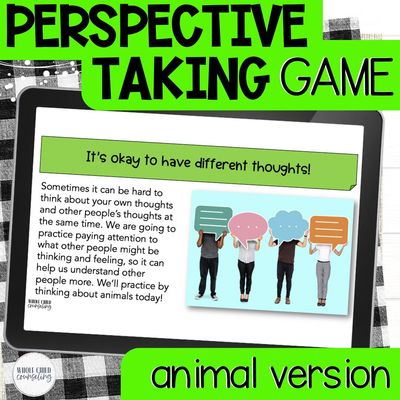
- Two Thoughts: Animal Version
36 Animal photos in Google Slides and printable card formats for imagining feelings and at least two possible thoughts through meme-style activities
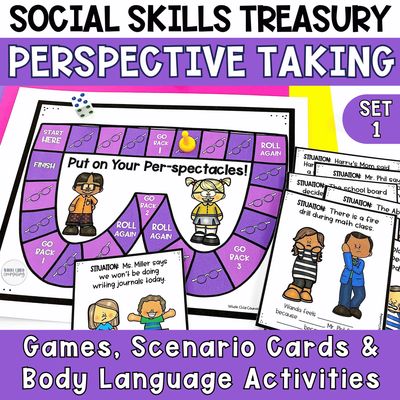
- Social Skills Treasury Perspective Taking Set 1
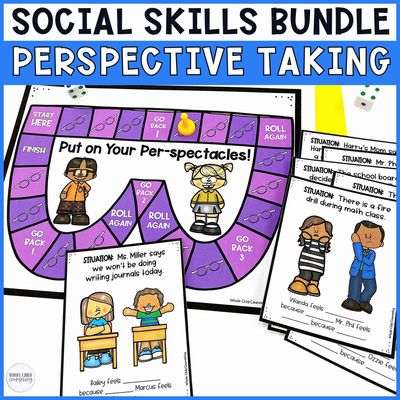
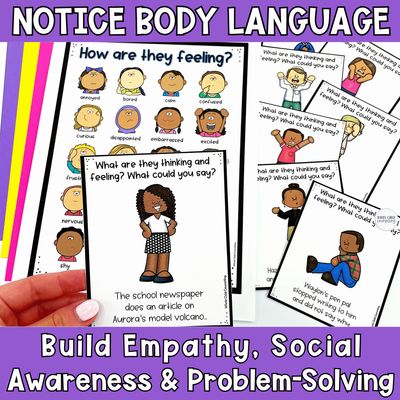
Digital and printable board game with spinner, pawns, and dice; 36 situation cards, 36 example cards, 28 nonverbal communication cards, feelings poster, and reflection dice
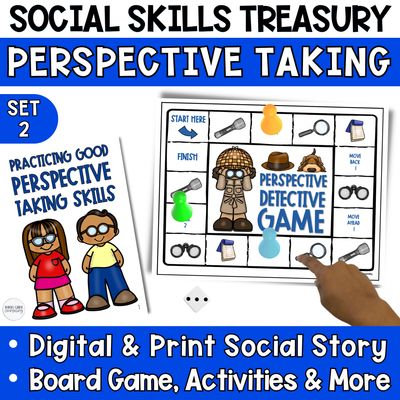
- Social Skills Treasury Perspective Taking Set 2
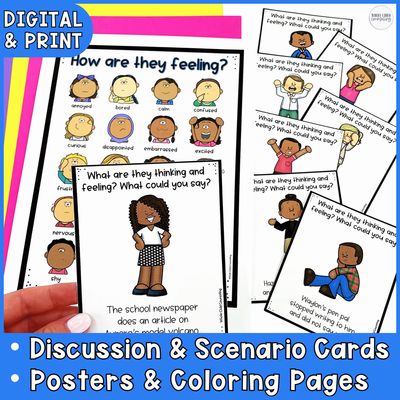
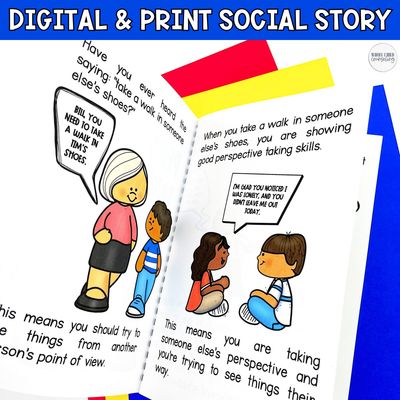
8-Page digital and printable social story, 24 discussion and reflection cards, digital and printable board game with spinners, pawns, and dice, plus 54 worksheets and coloring pages
- Social Skills Treasury Perspective Taking Set 3
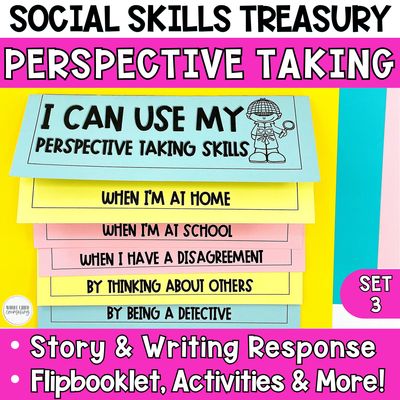
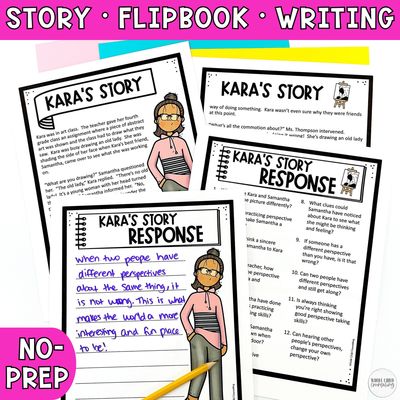
Upper-elementary story with 12 reflection questions, writing response, graphic organizers, cut-and-paste worksheet, quotes and discussion prompts, 6-page flipbook, and student self-reflection worksheet
- SMART IEP and treatment plan objectives, data collection sheets, editable family letters, and positive notes home, “I Can” learning targets, and extension ideas
- Playing a Game visual posters for good sportsmanship
🎒 Quick Details: Grades 1–7 | 👥 Individual, small group + classroom | 📚 9 resources | 🖨️ Digital + print | 🎯 Perspective-taking, theory of mind + social communication
🛍️ Bundle & Save:
For a broader social skills curriculum that includes the three Treasury sets in this collection:
Want more social skills resources at a discount? Check out:
Social Skills Treasury Growing Bundle includes:
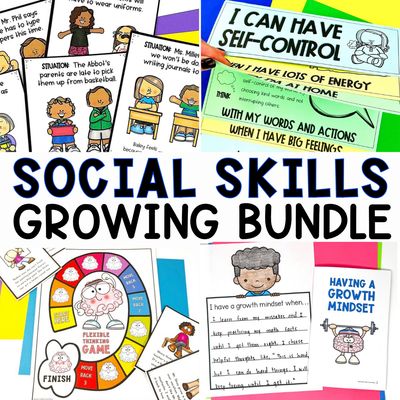
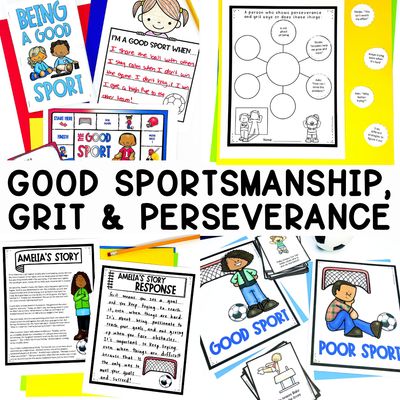
- 24 Activity sets across 8 topics: self-control, fairness and justice sensitivity, sportsmanship, perspective-taking, flexible thinking, grit and perseverance, growth mindset, and kindness, empathy, and caring
- Board games, scenario cards, social stories, worksheets, reading and writing activities, flipbooks, counseling objectives, and family resources
- Future additions to the Social Skills Treasury bundle at no extra cost
- The 3 Perspective Taking Social Skills Treasury sets overlap with this bundle.
🎯 Skills Addressed:
Perspective-taking, theory of mind, social cognition, empathy, emotional identification, body language and facial expressions, flexible thinking, listening, respectful disagreement, tone of voice, sportsmanship, pragmatic language, social communication, relationship skills, and social problem-solving.
💡 Ways to Use It:
Introduce different perspectives with visual puzzles, then practice listening and respectful disagreement together with the sound games.
Use the Two Thoughts activities to name a possible feeling and generate at least two possible thoughts for each picture.
Read the social story, play board games, and discuss scenarios during individual counseling, social skills groups, speech therapy, or classroom SEL lessons.
Revisit skills through the worksheets, coloring pages, reading and writing activities, and flipbook. Use the included objectives and data sheets to support individualized counseling plans.
Project the digital activities or screen share during telehealth for shared practice and in-the-moment coaching.
👩🏫 Who It's For:
School counselors, social workers, psychologists, child therapists, speech-language pathologists, occupational therapists, special education teachers, classroom teachers, and parents.
Use the activities to support children with pragmatic language and social communication needs, including autistic students, while adapting discussions to individual strengths, experiences, and support needs.
🖨️ Format & Download:
Includes printable PDFs, Google Slides activities, and PowerPoint materials in the Treasury sets. Individual resources include digital games, printable cards, puzzles, social stories, worksheets, and reflection activities, with color and black-and-white options where specified.
The sound games require Google Slides, YouTube, and a device that plays audio. Please confirm access to the required software and platforms before purchasing.
📚 More Perspective-Taking Resources:
- Read Perspective Taking: The Social Skill You Want to be Teaching Kids for teaching ideas, social scripts, and ways to practice considering different viewpoints.
- Explore Activities and Videos to Teach Theory of Mind and Perspective Taking Skills to Children for videos and activities to spark discussion.
- Find picture books and discussion ideas in Using Books to Teach Perspective Taking Skills to Children.
📌 Important Notes:
- Perspective-taking means considering possibilities, not knowing exactly what someone thinks or feels. Nonverbal communication varies across individuals, cultures, and situations.
- Understanding another viewpoint does not require children to agree, ignore their boundaries, or dismiss their own needs
- Existing purchasers receive future resources added to this growing bundle at no extra cost
- This is a digital download. No physical product will be shipped. Due to the digital nature of this resource, all sales are final and refunds are not available.