About
Access the Free Social-Emotional Learning Resource Library Now:

Comprehensive Social-Emotional Learning Resources
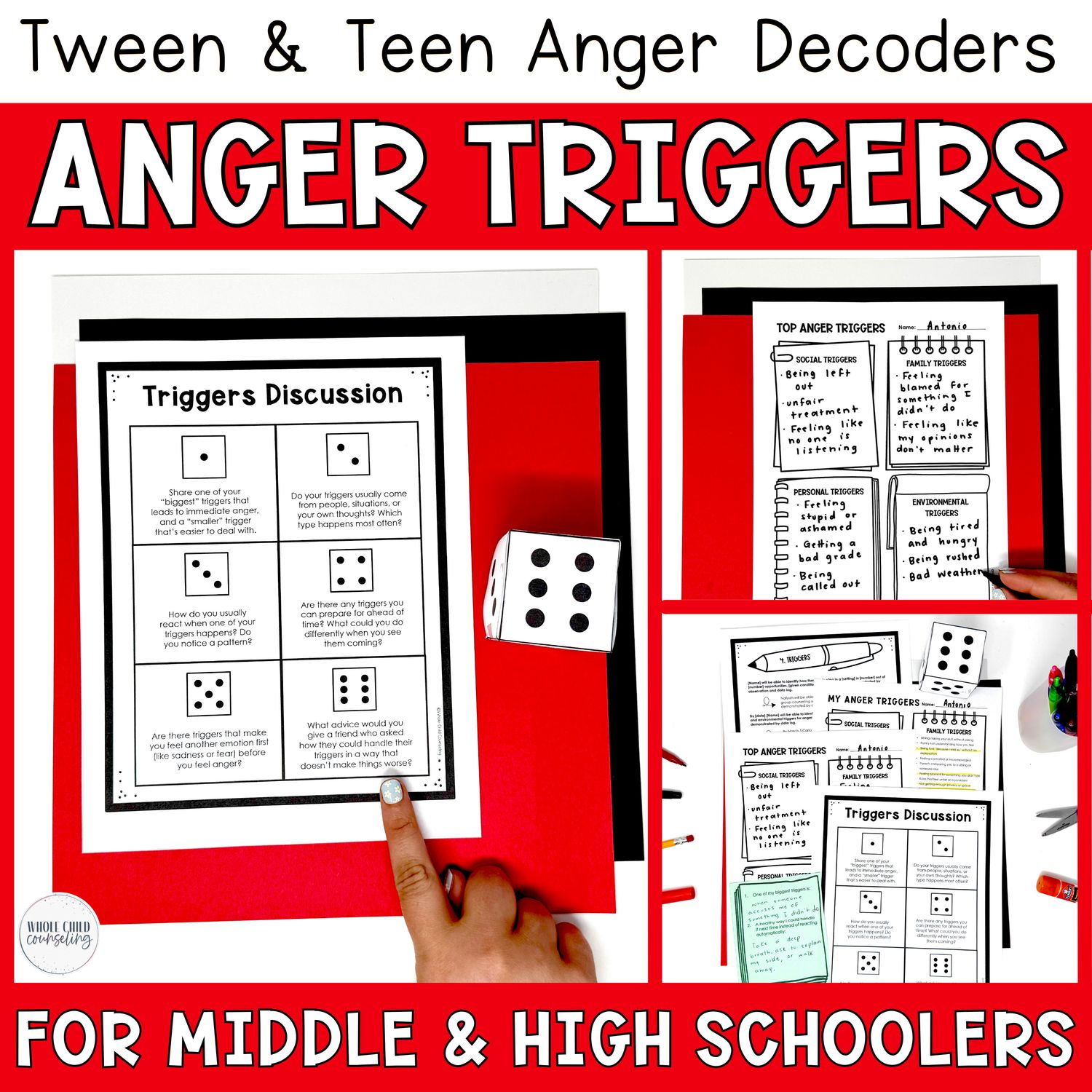
Help tweens and teens understand what triggers their anger and how they can respond in ways that work better for them with these identifying anger triggers worksheets and activities. This structured anger management lesson encourages students to explore the situations, experiences, and environments that contribute to feeling angry, while developing greater self-awareness and personalized coping strategies.
Rather than treating anger as a behavior that simply needs to be stopped, these activities help students recognize patterns, identify their biggest triggers, and consider what support or strategies might help. Through guided discussion, reflection worksheets, and an interactive dice activity, students explore social, personal, family, and environmental triggers while practicing emotional regulation and problem-solving.
Designed for grades 5–10, this printable lesson is useful for middle school counseling, high school SEL instruction, individual therapy, small-group anger management, and social emotional learning. It can be used independently or as Lesson 4 of the 10-week Anger Decoders Curriculum, providing a practical foundation for understanding anger and responding more intentionally.
📦 What's Included:
✔️ My Anger Triggers Worksheet
- Helps students explore social, personal, family, and environmental situations that may contribute to anger.
✔️ Top Anger Triggers Reflection Activity
- Encourages students to identify and reflect on the triggers that have the greatest impact on them.
✔️ Triggers Discussion Dice Activity
- Interactive discussion prompts for exploring anger triggers, emotional experiences, and individual responses.
✔️ Biggest Triggers & Healthy Responses Worksheet
- A mini reflection activity that helps students connect their biggest triggers with supportive, constructive ways to respond.
✔️ 5 SMART IEP Counseling Objectives
- Five IEP-aligned SMART objectives to support individualized counseling goals and progress planning.
✔️ Scripted Anger Management Lesson Plan
- Includes discussion questions, activities, and facilitation tips to guide the lesson and help professionals lead meaningful conversations about anger.
🎒 Quick Details: Grades 5–10 | 👥 Individual counseling, small groups + classroom SEL | 🖨️ Printable PDF | 🎯 Anger triggers, emotional regulation, self-awareness + coping strategies
🛍️ Bundle & Save:
Want a complete anger management curriculum for tweens and teens?
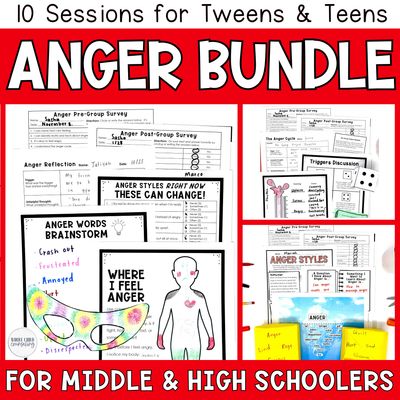
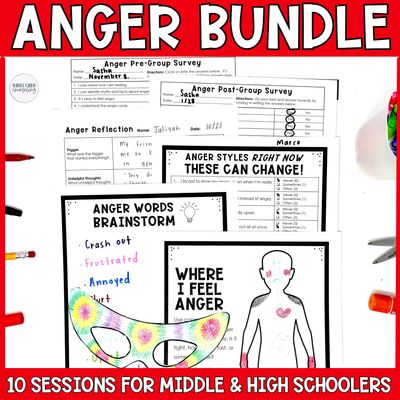
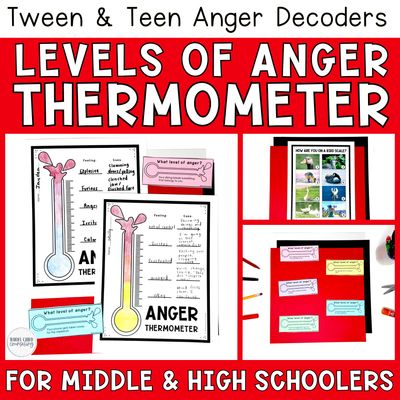
This lesson is part of the Anger Decoders 10-Week Anger Management Curriculum, which helps students explore anger, understand their emotional experiences, and develop practical strategies for managing big feelings.
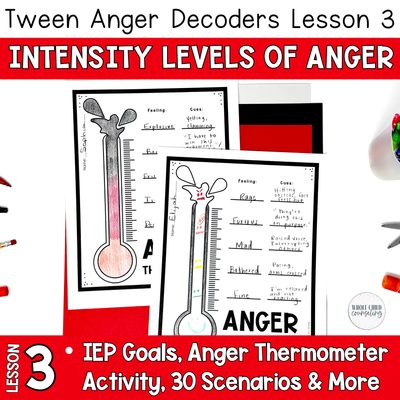
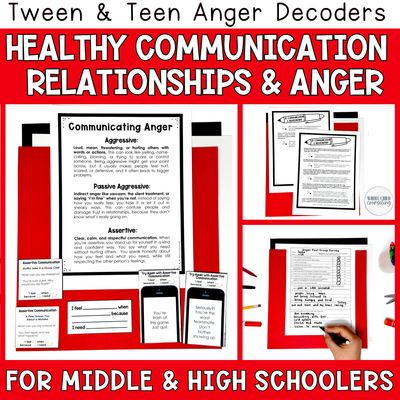
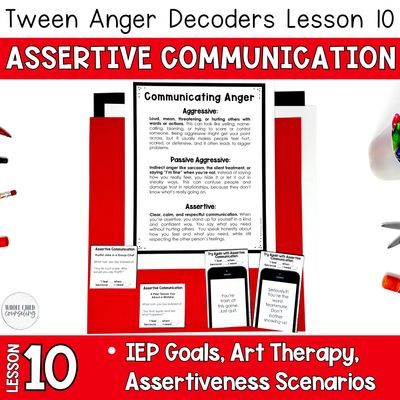
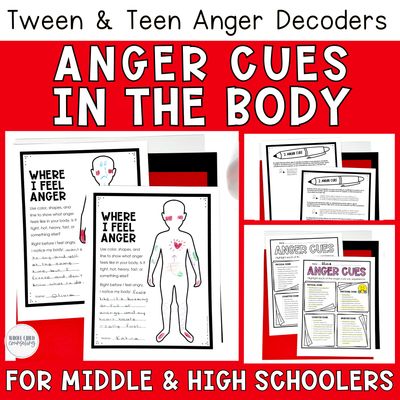
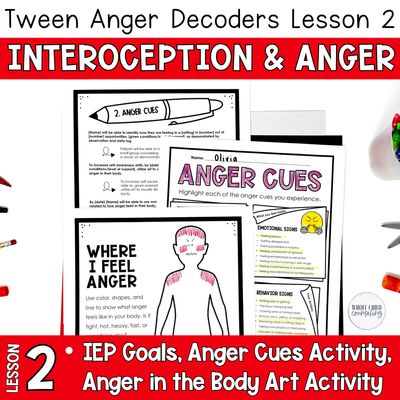
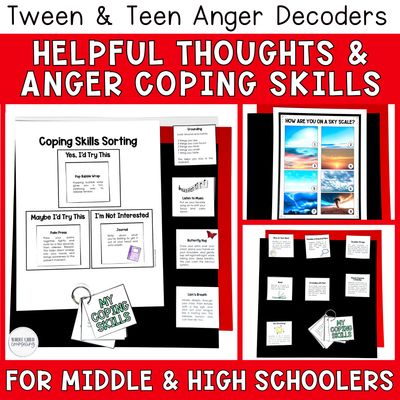
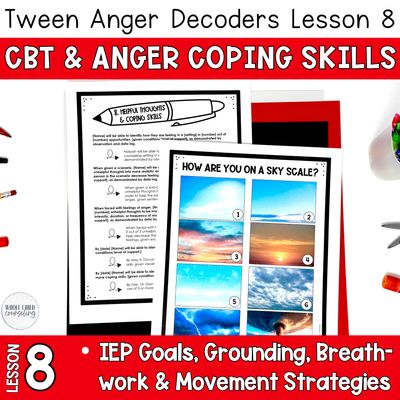
The curriculum includes lessons addressing anger intensity, recognizing anger in the body, identifying triggers, exploring thoughts and emotions, building coping skills, and practicing healthier communication.
🎯 Skills Addressed:
✔️ Identifying personal anger triggers
✔️ Recognizing patterns in emotional experiences
✔️ Understanding social and environmental influences on anger
✔️ Building emotional self-awareness
✔️ Exploring personalized coping strategies
✔️ Reflecting on emotional responses
✔️ Developing problem-solving skills
✔️ Practicing self-management and emotional regulation
✔️ Connecting triggers with helpful responses
✔️ Building communication and self-advocacy skills
These activities support social emotional learning and align with ASCA Mindsets and Behaviors for student success.
💡 Ways to Use It:
- Introduce anger triggers during individual counseling sessions
- Use the My Anger Triggers worksheet to explore situations that contribute to frustration
- Help students identify their most significant anger triggers
- Use the discussion dice during small-group counseling
- Explore how family, peer relationships, and environments can influence anger
- Discuss how the same situation may affect different people differently
- Use the Biggest Triggers & Healthy Responses worksheet to develop personalized strategies
- Incorporate the scripted lesson into a middle school SEL group
- Support students in recognizing situations where they may need additional accommodations or support
- Use the SMART IEP Counseling Objectives when developing individualized goals
- Revisit the reflection activities to notice changes in emotional awareness
- Pair the lesson with additional anger management activities focused on body signals, coping skills, and communication
👩🏫 Who It's For:
Mental health counselors, school counselors, social workers, psychologists, child and adolescent therapists, occupational therapists, BCBAs, special education teachers, middle school educators, high school educators, and other professionals supporting tweens and teens.
Especially useful for adults helping students understand their anger triggers, develop emotional awareness, and identify coping strategies that fit their individual needs.
🖨️ Format & Download:
This product is a printable PDF lesson that includes anger triggers worksheets, reflection activities, discussion dice prompts, five SMART IEP Counseling Objectives, and a scripted lesson plan.
Use the materials during individual counseling, small-group sessions, or classroom SEL lessons. Students can complete activities through writing, discussion, or supported reflection.
The lesson can stand alone or be used as Lesson 4 of the 10-week Anger Decoders Curriculum.
This is a digital download. No physical materials will be shipped.
📌 Important Notes:
Anger is a valid human emotion. The goal of these activities is not to eliminate anger, but to help students understand what contributes to it and identify supportive ways to respond.
Some anger triggers may reflect unmet needs, sensory overload, unfair treatment, environmental stressors, or situations that require adult intervention. Encourage students to consider both personal coping strategies and changes to their environment or support systems.
Students should not be required to disclose personal or family experiences in a group setting. Offer choices about how much they share and allow students to reflect privately when appropriate.
This is a digital download. No refunds on digital purchases.