About
Access the Free Social-Emotional Learning Resource Library Now:

Comprehensive Social-Emotional Learning Resources
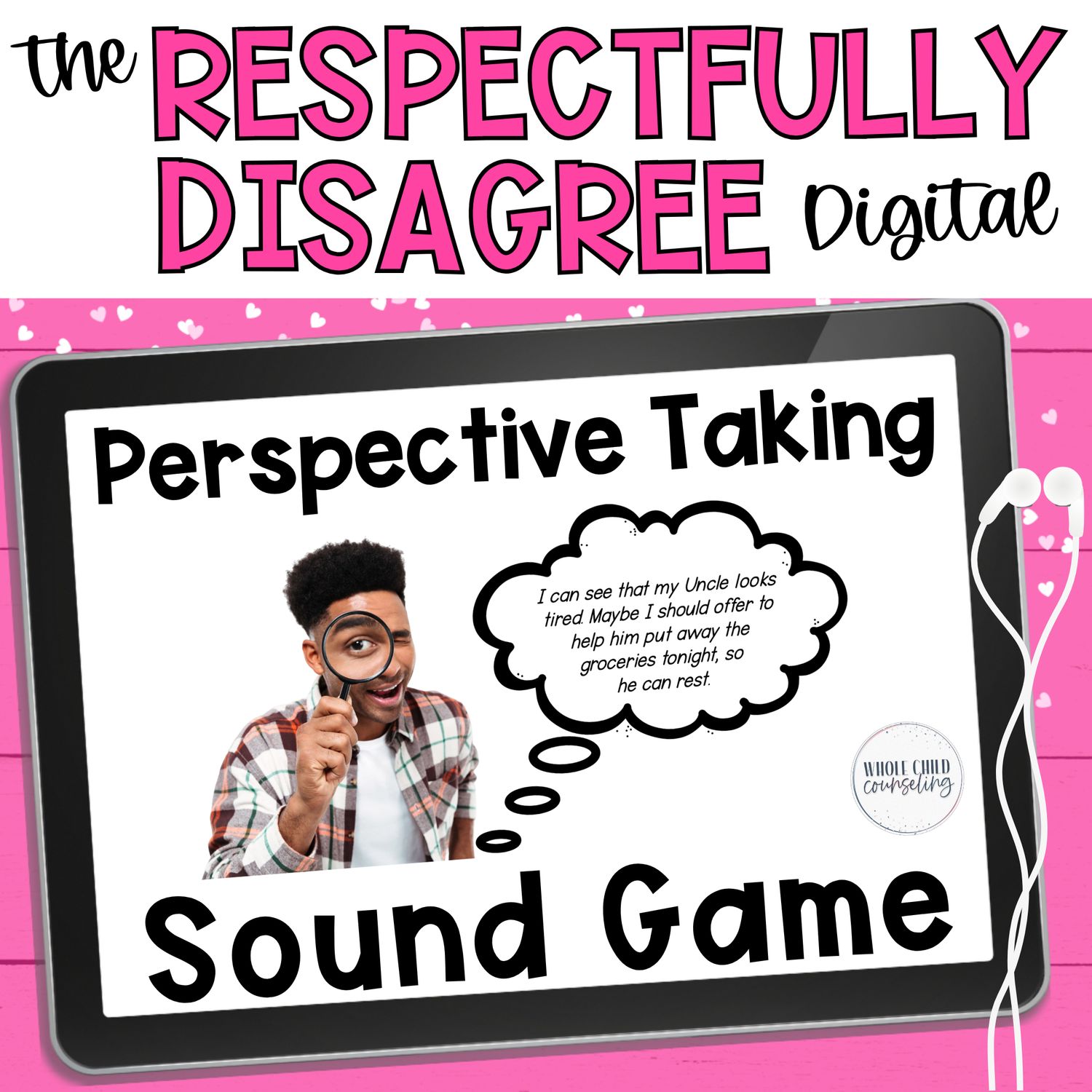
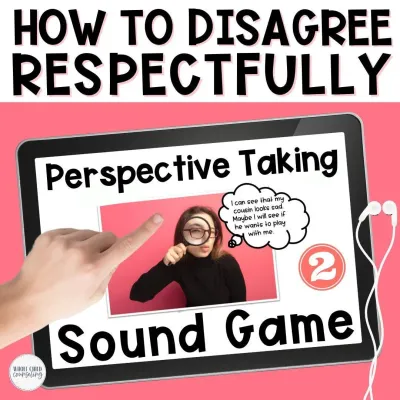
Help children explore respectful disagreement, perspective taking, flexible thinking, and social communication with the Respectfully Disagree Perspective Taking Sound Game Set #1!
People can hear the same sound, experience the same situation, or encounter the same information and come away with different interpretations. And that's okay!
This interactive listening game offers a playful way to help students discover that two people can have different perspectives without either person needing to be wrong. Students can listen, share their interpretations, consider what others noticed, and practice communicating when their ideas differ.
Rather than teaching children that respectful disagreement means always agreeing or changing their minds, this activity encourages curiosity, self-expression, and an understanding that people can interpret the same experience differently.
Perfect for elementary school counseling, social skills groups, classroom SEL lessons, speech therapy, and individual counseling, this game makes perspective taking more concrete through sound-based activities.
📦 What's Included:
✔️ Respectfully Disagree Perspective Taking Sound Game, Set #1
- Interactive sound-based perspective taking activities.
- Opportunities for students to listen to sounds and share what they think they hear.
- Discussion opportunities exploring how people can interpret the same sound differently.
- Practice explaining personal interpretations and listening to alternative perspectives.
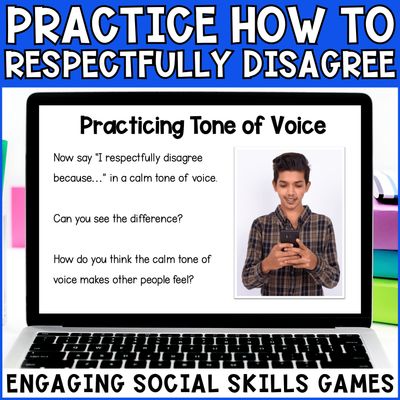
✔️ Respectful Disagreement Practice
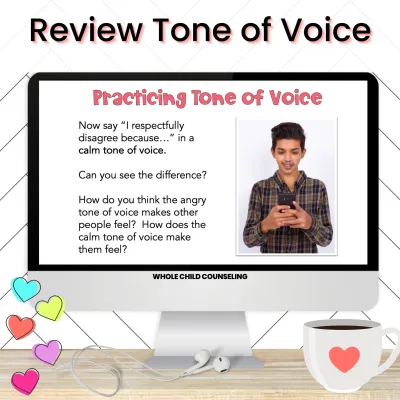
- Explore how to communicate when someone has a different interpretation.
- Practice expressing opinions without dismissing another person's experience.
- Discuss ways to respond when people disagree.
- Encourage children to recognize that differences in perception are a normal part of communication.
✔️ Flexible Thinking and Perspective Taking Activities
- Explore multiple interpretations of the same information.
- Practice considering another person's point of view.
- Discuss why people may reach different conclusions.
- Encourage curiosity and openness to alternative explanations.
🎒 Quick Details: Elementary students | 👥 Individual counseling, small groups + classroom SEL | 🔊 Interactive sound-based game | 🎯 Respectful disagreement, perspective taking, listening + flexible thinking
🛍️ Bundle & Save:
Want a discount? Explore more perspective taking games and social skills resources!
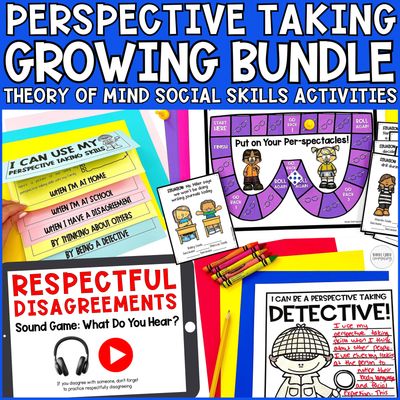
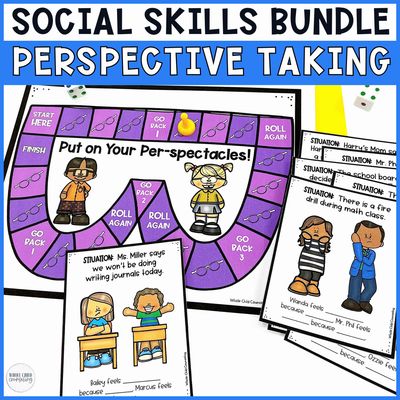
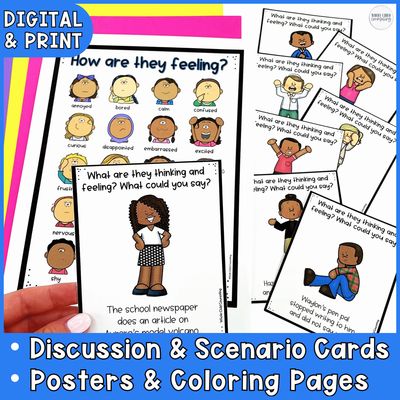
Perspective Taking & Theory of Mind Social Skills Activity Bundle
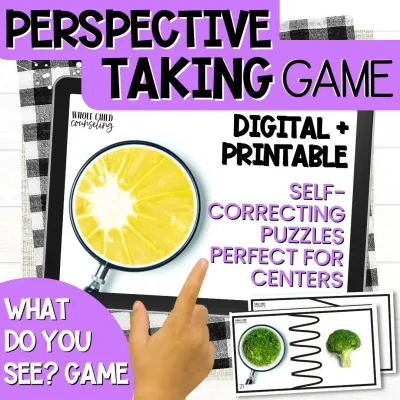
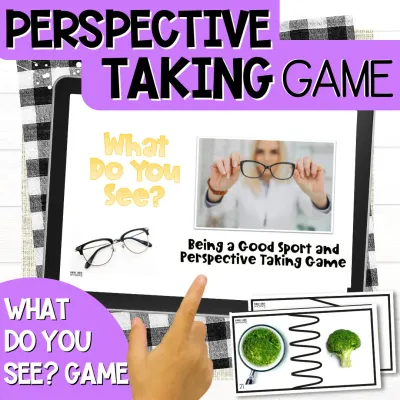
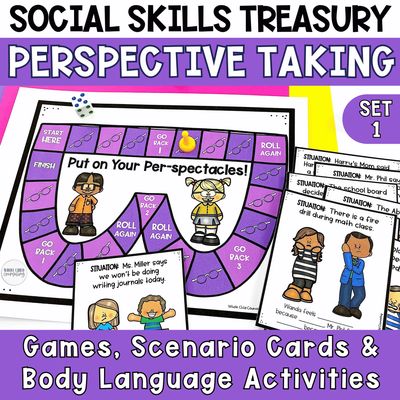
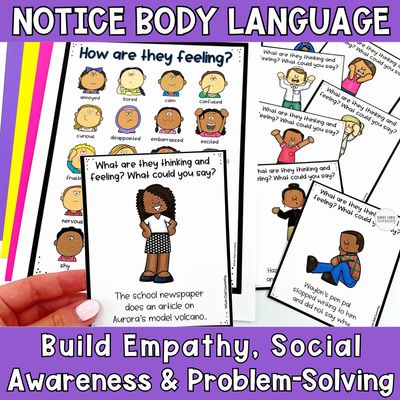
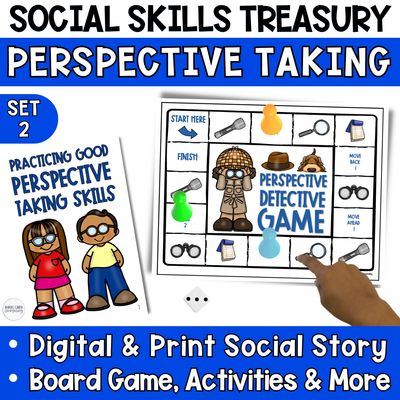
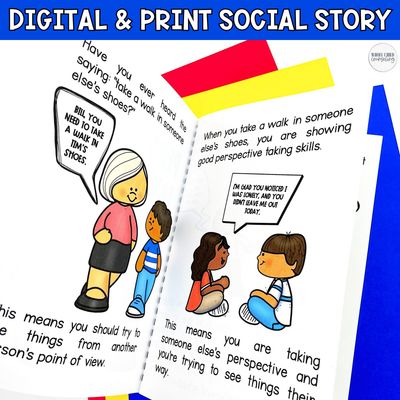
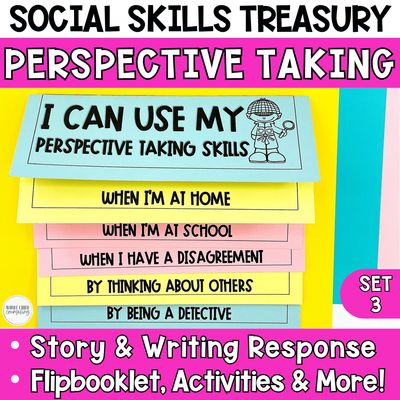
- This larger collection includes Respectfully Disagree Sound Game Set #1 alongside additional perspective taking activities, including a second sound game, visual perspective taking games, and Social Skills Treasury resources.
🎯 Skills Addressed:
✔️ Perspective taking
✔️ Respectful disagreement
✔️ Flexible thinking
✔️ Understanding different interpretations
✔️ Social communication
✔️ Expressing opinions
✔️ Listening to different perspectives
✔️ Recognizing that people can disagree
✔️ Practicing curiosity
✔️ Exploring alternative explanations
✔️ Developing social awareness
✔️ Communicating personal preferences
✔️ Practicing self-advocacy
✔️ Navigating misunderstandings
✔️ Building relationship skills
✔️ Considering different points of view
💡 Ways to Use It:
- Introduce perspective taking during individual school counseling.
- Play the sound game during elementary social skills groups.
- Ask students to share what they think they heard.
- Compare different interpretations of the same sound.
- Explore why two students might hear the same sound differently.
- Discuss how people can disagree without being disrespectful.
- Practice expressing an opinion while acknowledging another person's perspective.
- Encourage students to ask questions about different interpretations.
- Use the activity to introduce flexible thinking.
- Discuss the difference between an interpretation and a fact.
- Practice responding to disagreements without requiring students to change their opinions.
- Incorporate the game into classroom SEL lessons about friendship.
- Use during speech therapy sessions addressing pragmatic communication.
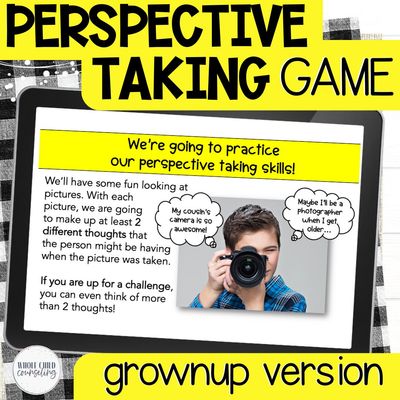
- Pair with visual perspective taking games.
- Explore how limited information can lead to different conclusions.
- Discuss how misunderstandings happen in everyday conversations.
- Encourage students to notice when more than one explanation is possible.
👩🏫 Who It's For:
School Counselors and School Social Workers: Introduce perspective taking, respectful disagreement, and communication skills during individual counseling, small groups, and classroom SEL lessons.
Speech-Language Pathologists: Explore pragmatic language, expressing opinions, understanding different interpretations, and navigating conversational disagreements.
Special Education Teachers: Provide a concrete listening activity to support flexible thinking and social communication instruction.
Child Therapists and Psychologists: Use playful sound-based activities to explore perspective taking, different interpretations, and interpersonal misunderstandings.
Classroom Teachers: Incorporate the game into SEL lessons about respecting differences, classroom community, and friendship skills.
Homeschool Educators and Families: Practice discussing different opinions and interpretations through an interactive listening activity.
🖨️ Format & Download:
This resource is a digital sound-based perspective taking game.
Use it during individual counseling, small-group instruction, or classroom SEL lessons.
Students can share their interpretations verbally, through writing, by pointing, or using AAC or other preferred communication methods.
A device capable of playing audio will be needed for the sound-based activities.
📌 Important Notes:
- Perspective taking does not mean agreeing with everyone. Children can understand another person's point of view while maintaining their own opinions, preferences, and boundaries.
- Respectful disagreement is a skill that involves communication, curiosity, and recognizing differences without automatically assuming someone is wrong.
- Children should not be expected to tolerate disrespect, bullying, or boundary violations in the name of being flexible or agreeable.
- Auditory perception varies. Students may interpret sounds differently because of hearing differences, auditory processing, previous experiences, or other individual factors.
- The goal is to encourage understanding and communication, not to require students to identify one correct interpretation or perform social skills in a prescribed way.
- This is a digital download. No physical product will be shipped. Due to the digital nature of this resource, all sales are final and refunds are not available.